Aicha Arabic Name: A Designer’s Review for Business Use
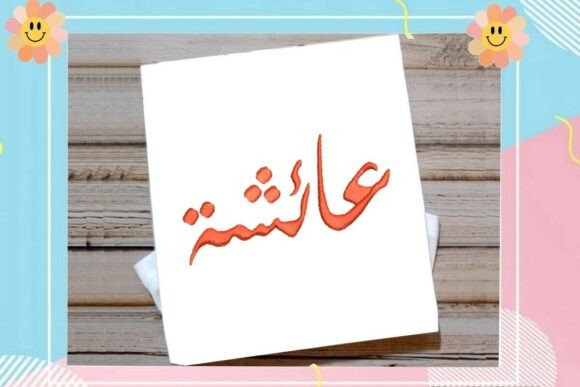
As an embroidery designer who has spent years digitizing logos and names for small businesses, I approach every new machine embroidery design with a critical eye. It is not enough for a design to look pretty on a screen; it must perform flawlessly on fabric, withstand washing, and elevate the brand identity of the client using it. Recently, I reviewed the Aicha Arabic Name embroidery file, and I want to share my professional assessment of how this specific design functions in a commercial setting.
The product description highlights that this is an elegant calligraphy machine embroidery file with five sizes included. For boutique owners, Etsy sellers, and apparel decorators, the inclusion of multiple sizes is a significant value add. However, the true test lies in how the design translates from a digital asset to a tangible finished product. Here is my breakdown of its potential for branded merchandise and small business applications.
First Impressions: Elegance Meets Cultural Warmth
Upon loading the Aicha Arabic Name into my embroidery software, the immediate impression is one of refined elegance. Arabic calligraphy is inherently artistic, relying on fluid lines and balanced proportions. This design captures that traditional beauty while maintaining the structural integrity required for machine stitching. It does not feel overly playful or rustic; instead, it projects a premium, classic aesthetic.
For businesses in the "Friends" category or those focusing on personalized gifts, this design strikes a perfect balance. It feels intimate yet professional. The flow of the script suggests a handmade quality, which is increasingly valuable in a market saturated with mass-produced items. If your brand identity relies on warmth, authenticity, and cultural appreciation, this design aligns seamlessly with those values.
Real-World Applications for Small Business Merch
The versatility of the Aicha Arabic Name makes it suitable for various commercial embroidery projects. Because the file includes five sizes, you can adapt it for different products without losing legibility. Here is how I envision this design working in real business scenarios:
- Embroidered Patches: This is perhaps the strongest use case. An embroidered patch featuring the name "Aicha" can serve as a standalone product or a branded label for handmade goods. The calligraphic curves fill the patch shape beautifully, creating a cohesive badge that customers can iron or sew onto jackets, bags, or hats.
- Custom Apparel and Uniforms: For cafes, boutiques, or creative studios, staff uniforms are a walking advertisement. Placing this design on the chest of a work shirt or apron adds a touch of sophistication. It works particularly well for businesses that want to highlight personalization or celebrate specific team members.
- Cap Embroidery: Caps are high-demand items for merch creators. The design can be curved along the front panel of a cap. However, due to the intricate nature of calligraphy, I recommend using the medium or large sizes from the included set to ensure the stitches do not become too dense or indistinct on the curved surface.
- Tote Bag Design: Canvas tote bags are staples for bakeries, florists, and bookshops. Embroidering the Aicha Arabic Name on a tote bag transforms a simple utility item into a stylish accessory. The contrast between the thread and the natural canvas texture enhances the visual appeal.
Technical Considerations and Stitch Density
While the aesthetic is strong, technical execution is where many designs fail. Arabic calligraphy often involves fine details and varying line widths. When reviewing the Aicha Arabic Name, I paid close attention to stitch density and spacing. If the density is too high, the fabric may pucker, especially on lighter materials like cotton poplin or silk blends. If the density is too low, the backing material might show through, compromising the professional look.
I strongly advise testing this design on your specific fabric before committing to a large production run. Use a appropriate stabilizer—cut-away stabilizer is often best for garments that will be washed frequently, while tear-away may suffice for decorative patches that won't undergo heavy stress. Always check the hoop size compatibility. Ensure that the largest size in the file fits within your machine’s maximum hoop dimensions without requiring re-hooping, which can lead to alignment issues.
Another critical factor is thread color contrast. Since this is a name design, legibility is paramount. On dark uniforms, use light-colored threads such as gold, cream, or white to make the calligraphy pop. On light fabrics, deep blues, blacks, or rich earth tones work well. Avoid using thread colors that are too similar to the fabric base, as the intricate loops of the Arabic script may get lost.
Brand Identity and Customer Trust
Using a high-quality digital embroidery file like this one directly impacts your brand identity. Consistency in your visual assets builds trust. When a customer receives a product with clean, well-digitized embroidery, they perceive higher value. The Aicha Arabic Name design contributes to this perception by offering a polished, professional look that reflects care and attention to detail.
For handmade brands, incorporating such specific cultural elements can deepen engagement with niche audiences. It shows that you offer more than generic templates; you provide thoughtful, customized design assets. This can lead to higher buyer engagement and repeat customers who appreciate the uniqueness of the product. Whether used for event merch, customer gifts, or retail inventory, the design serves as a touchpoint for quality.
Where to Use Caution
Despite its strengths, there are scenarios where this design requires careful handling. Do not attempt to use the smallest size on textured fabrics like terry cloth or heavy wool. The fine details of the calligraphy may sink into the pile or get obscured by the texture. Similarly, avoid placing it on items that require extreme durability and frequent industrial washing unless you have tested its longevity. Small patch sizes may also struggle with readability if the viewer is at a distance, so reserve the smaller versions for close-up applications like lapel pins or small labels.
Practical Designer Notes for Production
Before you begin production with the Aicha Arabic Name, follow these steps to ensure success:
- Test in Black and White: Print or stitch a monochrome version first to check for clarity and spacing issues without the distraction of color.
- Verify Commercial Licensing: Confirm the license terms included with the file. Ensure you have the right to use it for commercial embroidery and selling finished products.
- Create a Printable Mockup: Use design software to place the embroidery file on a mockup of your intended product. This helps visualize scale and placement before stitching.
- Check Thread Tension: Calligraphy designs can be sensitive to tension issues. Run a test stitch on scrap fabric to adjust upper and bobbin tension for smooth, balanced stitches.
- Compare with Other Assets: Ensure the style of this design complements your existing logo and branding materials for visual consistency.
In conclusion, the Aicha Arabic Name is a robust addition to any embroidery designer’s library. It offers the elegance needed for premium branding and the versatility required for diverse merchandise. By respecting the technical nuances of stitch density and fabric choice, small business owners can leverage this design to create standout products that resonate with customers. Always prioritize quality control, and let the beauty of the calligraphy enhance your brand’s story.