Dream Big: A Designer’s Review for Craft Fair Success
As an embroidery designer who has spent countless hours behind the hoop and even more time standing behind a craft fair table, I look at every new machine embroidery design through a specific lens. It is not just about whether the stitches are clean; it is about whether the design will stop a shopper in their tracks. When I first loaded the Dream Big file into my software, my immediate reaction was one of cautious optimism. This is not a subtle, minimalist piece. It is bold, colorful, and unapologetically cheerful. For sellers targeting the children’s market or parents looking for handmade product gifts, this design has significant potential, but it requires strategic placement to truly shine.
First Impressions and Visual Appeal
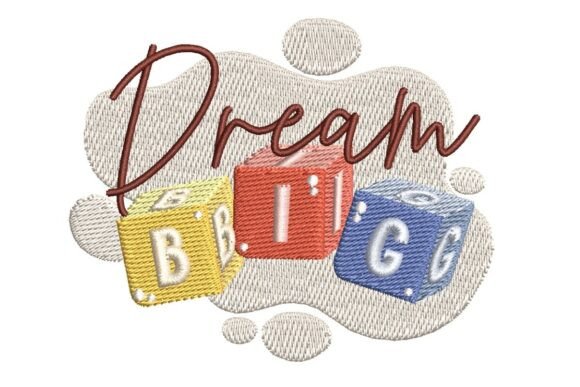
The concept behind Dream Big is straightforward yet effective. The description highlights bold script typography floating above colorful alphabet blocks. In the world of Inspirational decor, this combination hits a sweet spot. It feels modern but retains a classic, nursery-friendly charm. The use of alphabet blocks adds a layer of nostalgia that appeals to millennial parents, while the script font keeps it from looking too juvenile.
From a visual standpoint, the design relies heavily on contrast. The "colorful" aspect mentioned in the product description is key. If you attempt to stitch this in monochrome, you risk losing the playful energy that makes the alphabet blocks recognizable. As a craft fair product, this design demands attention. It is not a background element; it is a focal point. This makes it ideal for items where you want the embroidery to be the primary selling feature, rather than a small accent logo.
Strategic Product Placement for Maximum Sales
Not every item in your booth is created equal. Some products serve as traffic drivers, while others are impulse buys. Here is how I evaluate Dream Big across different categories:
- Tote Bags and Market Bags: This is arguably the strongest application for this design. A canvas tote provides a large, flat surface that allows the alphabet blocks to breathe. The tote bag design becomes a walking billboard. Parents love functional items that also deliver a positive message. Ensure you use a heavy-duty stabilizer to prevent the weight of the design from distorting the bag handles.
- Aprons and Tea Towels: An apron embroidery project using this motif works well for kitchen-themed booths. However, be mindful of the fabric texture. Thick waffle-weave towels can sometimes cause smaller details in the alphabet blocks to get lost. For tea towel embroidery, consider placing the design off-center or near the bottom hem to avoid interference with the towel's functional area.
- Caps and Curved Surfaces: I would advise caution here. The description mentions "bold script," which often involves connecting letters. On a curved cap surface, maintaining the integrity of that script without puckering is challenging. Unless you have extensive experience with cap frames and high-quality cut-away stabilizers, stick to flat goods for this specific embroidery file.
- Patches and Pouches: Creating an embroidered patch allows you to control the backing and density completely. You can stitch these in batches on stable fabric, cut them out, and sell them as add-ons. This is a great way to utilize scrap fabric and increase your average order value at the fair.
Production Realities and Technical Considerations
Before you commit to stitching fifty units for a weekend market, you must address the technical realities of production. The phrase "colorful alphabet blocks" implies multiple thread changes. In a busy production environment, thread changes are time-consuming. Calculate your labor cost accordingly. If the design requires six or seven color stops, it is not a quick "stitch and go" item. It is a premium product that should be priced to reflect that labor.
Another critical factor is stitch density. Bold typography and block shapes can become dense quickly. If the density is too high, you risk needle heat breaking the thread or the fabric becoming stiff and board-like. Always test the design on scrap fabric identical to your final product. Check the back of the hoop. If it looks like a solid wall of thread, you may need to adjust your tension or use a lighter weight top thread.
Furthermore, consider the hoop size. The description does not specify exact dimensions, so you must check the file details before purchase. If the design is large, ensure your machine can accommodate the necessary hoop. For Etsy seller operations, knowing the maximum hoop size required helps you determine if you can offer this as a digital download for customers with smaller machines, or if it is strictly for those with larger hoops.
Marketing and Brand Consistency
For small shop product lines, consistency is king. Dream Big fits neatly into an Inspirational category. If your brand focuses on motivational quotes, nursery decor, or educational toys, this design reinforces your brand identity. It tells a story of ambition and growth.
When creating your printable mockup or online listings, lighting is everything. Because the design uses colorful blocks, ensure your photos accurately represent the thread colors. Misleading photos lead to returns. Use natural light to show the sheen of the thread and the texture of the fabric. For commercial embroidery purposes, having a library of high-quality images showing the design on various backgrounds (white canvas, denim, pastel cotton) will help customers visualize the final result.
Practical Designer Notes for Execution
- Test on Scrap First: Never run a new digital embroidery file on your final product without a test run. Check for registration issues between the script and the blocks.
- Thread Contrast: Ensure the thread colors chosen for the blocks contrast sufficiently with the fabric. Yellow blocks on a white tote will vanish. Navy or bright primary colors will pop.
- Stabilizer Selection: For woven fabrics like tote bags, a cut-away stabilizer is usually safer than tear-away, especially for a design with this much coverage. It prevents the stitches from pulling out over time.
- License Verification: Before selling any finished product, confirm the commercial licensing terms of the design assets. Most designers allow physical sales but restrict digital redistribution. Know your rights.
- Batch Production: If you plan to make multiple items, create an assembly line. Hoop all your stabilizers and fabrics first, then stitch, then trim. This efficiency is crucial for maintaining profit margins at craft fairs.
In conclusion, Dream Big is a strong contender for your next collection. It is visually engaging, emotionally resonant, and versatile across several popular product types. However, its success depends on your execution. Respect the complexity of the color changes, choose the right fabrics to support the stitch density, and market it as a premium, motivational piece. When done correctly, this design does not just decorate a product; it elevates it, turning a simple tote or towel into a meaningful gift that encourages the next generation to aim high.