Review: Coquette Jesus Knows Best Christian Design
As an embroidery designer who has spent years digitizing and testing files for small business applications, I approach every new machine embroidery design with a critical eye. It is not enough for a pattern to look pretty on a screen; it must perform under the needle, withstand washing, and elevate the brand it represents. Recently, I reviewed the Coquette Jesus Knows Best Christian design, a piece that merges contemporary aesthetic trends with timeless faith messaging. For boutique owners, Etsy sellers, and apparel decorators, this file offers a unique opportunity to tap into the growing market for faith-based merchandise that feels modern, feminine, and approachable.
First Impressions: Aesthetic and Visual Personality
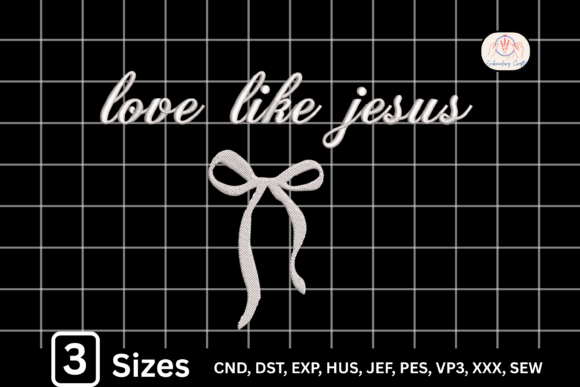
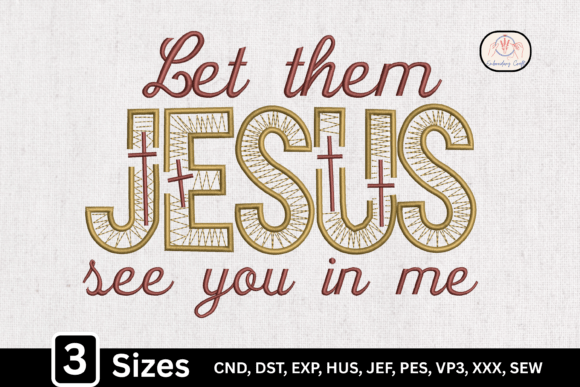
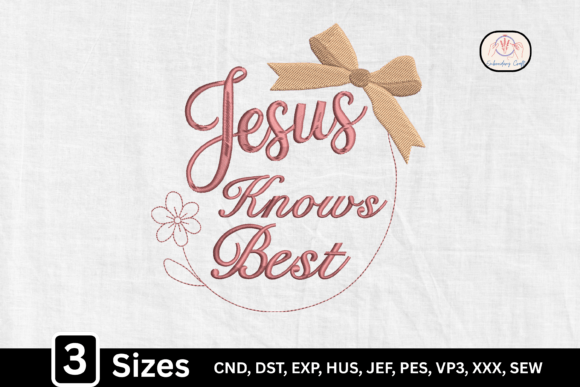
The immediate visual impact of the Coquette Jesus Knows Best Christian design is its blend of softness and conviction. The description highlights a "Pink Script Faith Quote" paired with a "Bow Flower Stitch," which signals a clear departure from traditional, rigid religious iconography. Instead, this design leans into the popular coquette aesthetic—characterized by bows, pastels, and delicate typography—while maintaining a strong spiritual core.
From a design perspective, this feels playful yet elegant. It is not overly rustic or heavy; rather, it possesses a handmade, premium quality that appeals to younger demographics and modern consumers. The script font suggests warmth and personal connection, while the floral and bow elements add a decorative touch that prevents the text from feeling stark. For businesses in the Religion Faith category, this visual personality is crucial. It allows brands to present their values in a way that is inviting rather than intimidating, making it an excellent choice for lifestyle brands, cafes, and creative studios.
Real-World Business Applications
When evaluating a digital embroidery file for commercial use, I always ask: where does this live best? The versatility of the Coquette Jesus Knows Best Christian design makes it a strong candidate for various small business merch items. Here is how I envision it performing in real-world scenarios:
- Embroidered Patches: This is perhaps the strongest application. A well-digitized patch allows customers to apply the message to jackets, bags, or hats they already own. The bow and flower details can create a textured, high-value look that stands out in online marketplaces.
- Apron Embroidery: For bakeries, florists, or Christian bookshops, placing this design on the chest of a canvas apron creates a warm, welcoming uniform. It signals to customers that the staff operates with faith and care.
- Tote Bag Design: Canvas totes are staples for boutique retail. Embroidering this quote on a natural or pink tote bag transforms a simple utility item into a statement piece that customers are proud to carry.
- Cap Embroidery: Placed on the side panel or slightly off-center on the front, this design works well for dad hats or structured caps. It offers a subtle nod to faith without being overpowering.
- Custom Apparel: On crewneck sweatshirts or t-shirts, this design serves as a central chest logo or a sleeve detail. It enhances the perceived value of the garment, justifying a higher price point for handmade product lines.
For Etsy sellers and merch creators, this design acts as a powerful asset for building a cohesive brand identity. It helps establish a visual language that is consistent, recognizable, and emotionally resonant with buyers who value both style and substance.
Technical Considerations and Placement Strategy
While the aesthetic appeal is high, technical execution is where many projects fail. As a designer, I advise caution when scaling this design for specific surfaces. The script font and delicate bow details require precise digitizing to ensure legibility. Here are key areas where you must exercise care:
- Small Patch Sizes: If you intend to create mini patches, ensure the stitch count and density allow the text to remain readable. Tiny lettering can merge together if the stitch density is too high or if the fabric puckers.
- Curved Surfaces: When applying this to cap fronts or curved sleeves, distortion can occur. Always test on the actual garment shape to ensure the bow and text do not warp unnaturally.
- Fabric Texture: Delicate scripts can get lost on highly textured fabrics like thick terry cloth or rough canvas. Smooth cotton blends or twill usually yield the crispest results for this type of embroidery file.
- Thread Colors: The design is described with pink script, but contrast is king. If stitching on dark uniforms, ensure you use a bright, contrasting thread color. Do not rely solely on the default colorway; adapt the thread colors to match your client’s brand palette.
It is also vital to consider the hoop size required. While the product description mentions "Multiple" formats, it does not specify exact dimensions. Before committing to a large production run, confirm that the design fits within your standard hoop sizes without requiring excessive re-hooping, which can lead to alignment issues.
Impact on Brand Identity and Customer Trust
In the world of commercial embroidery, the designs you choose communicate your brand’s values. Using the Coquette Jesus Knows Best Christian design signals that your business is attuned to current trends while remaining grounded in faith. This combination builds trust with a specific demographic: customers who want their faith to be visible but also stylish.
A professional-looking embroidered item elevates the perceived quality of your entire product line. Whether it is a gift with purchase or a main retail item, the tactile nature of embroidery adds a layer of luxury that printed graphics cannot match. This enhances customer engagement and encourages social sharing, as buyers are more likely to post photos of high-quality, textured merchandise. For small business owners, this translates to organic marketing and increased brand recognition.
Practical Designer Notes for Production
Before you load this file into your machine for a client order or personal inventory, follow these essential steps to ensure a flawless finished product:
- Test in Black and White First: Stitch out a monochrome version to check for clarity. If the text is hard to read in black and white, it will likely struggle in low-contrast color combinations.
- Check Stabilizer Compatibility: Use the appropriate stabilizer for your fabric. Cut-away stabilizer is often best for garments that will be washed frequently, ensuring the design remains stable and does not distort over time.
- Create a Printable Mockup: Before stitching, place the design digitally on a photo of your intended product. This helps visualize scale and placement, allowing for client approval before thread hits fabric.
- Verify Commercial Licensing: The description notes it is a "High-Quality Embroidery Design," but always double-check the license terms. Ensure you have the right to use it for physical goods sold in your shop.
- Inspect Spacing and Density: Look closely at the connection points between the bow, flower, and text. Ensure there are no unnecessary jumps or dense clusters that could cause thread breaks.
In conclusion, the Coquette Jesus Knows Best Christian design is a compelling addition to any embroidery designer’s library. It bridges the gap between trend-driven aesthetics and meaningful messaging, offering versatile applications for patches, apparel, and accessories. By paying attention to technical details like stabilizer choice, thread contrast, and fabric texture, small business owners can leverage this design to create standout merchandise that resonates with their audience. Always remember to verify the specific file formats and hoop sizes included in the package to ensure seamless integration into your workflow. With careful execution, this design can become a staple in your design assets, driving both sales and brand loyalty.