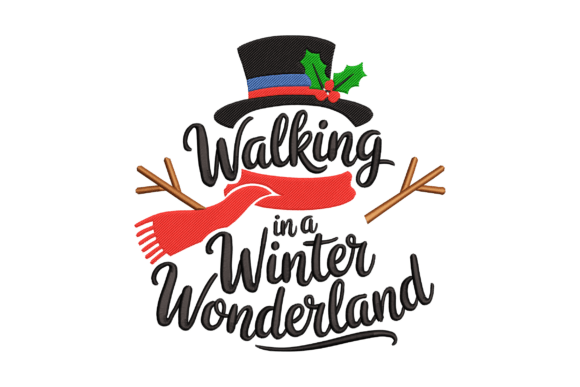
Review: Walking in a Winter Wonderland Design
As an embroidery designer who has spent years digitizing and reviewing files for commercial use, I approach every new machine embroidery design with a critical eye. It is not just about whether a pattern looks cute on a screen; it is about how it performs under the needle, how it holds up after washing, and most importantly, how it serves the brand identity of the small business owner purchasing it. Today, I am taking a close look at Walking in a Winter Wonderland, a festive option that promises to bring the joy of a classic holiday song to life through thread.
For small business owners, Etsy sellers, and apparel decorators, the holiday season is a crucial revenue period. The pressure is on to produce high-quality small business merch that stands out in a saturated market. This review evaluates Walking in a Winter Wonderland not merely as a decorative element, but as a strategic asset for branded patches, uniforms, and customer gifts.
First Impressions and Visual Personality
The title alone sets a specific tone. Walking in a Winter Wonderland suggests nostalgia, warmth, and a touch of whimsy. Based on the description, which highlights the magic of the holiday season with snowflake and snowman motifs, the visual personality leans heavily toward friendly, playful, and classic. It does not attempt to be ultra-modern or minimalist. Instead, it embraces the traditional aesthetics of Christmas.
For a boutique, bakery, or creative studio, this visual language is powerful. It signals approachability and community spirit. However, from a design perspective, "delightful" can sometimes mean "complex." My initial concern with any design featuring multiple characters like snowmen and intricate elements like snowflakes is the balance between detail and clarity. A design that is too busy can lose its impact when scaled down for a chest logo or a patch. The key question is: does Walking in a Winter Wonderland maintain its charm when reduced to two inches, or does it require a larger canvas to breathe?
Real-World Business Applications
Let us move beyond theory and discuss where this digital embroidery file can generate value. I have evaluated similar festive designs for various clients, and here is how Walking in a Winter Wonderland fits into a commercial strategy.
- Embroidered Patches: This is perhaps the strongest use case. A well-digitized version of this design could serve as a limited-edition holiday patch for customers to buy and iron onto jackets or bags. It acts as a collectible item that drives engagement.
- Staff Uniforms and Aprons: For cafes and bakeries, apron embroidery adds a premium touch to the customer experience. Placing this design on the bib of an apron creates a festive atmosphere without overwhelming the staff member. It turns employees into brand ambassadors during the holiday rush.
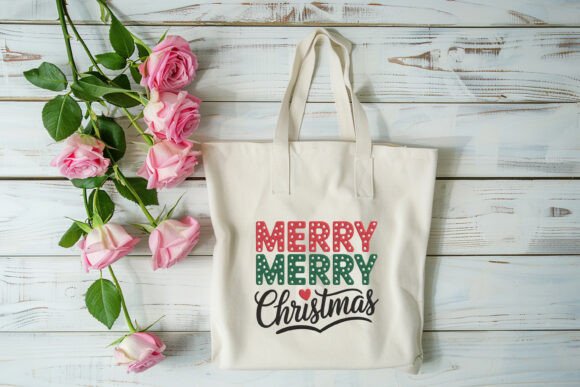
- Tote Bag Design: Reusable totes are popular eco-friendly merchandise. Centering Walking in a Winter Wonderland on a canvas tote creates a functional gift item. The contrast of white or light blue threads against natural canvas can look exceptionally rustic and handmade.
- Cap Embroidery: Using this on headwear requires caution. If the design includes wide elements, it may need to be split or simplified for the curved front of a cap. However, a simplified version could work beautifully as a side-sleeve detail or on the back of a trucker hat.
When used in these contexts, the design supports brand identity by showing attention to detail. It tells customers that the business cares about aesthetics and seasonal relevance. This builds trust and encourages repeat purchases, as buyers associate the brand with quality custom apparel and thoughtful presentation.
Technical Considerations and Potential Pitfalls
While the concept is strong, execution is everything. As a designer, I must highlight areas where Walking in a Winter Wonderland requires careful handling. Ignoring these technical aspects can lead to wasted thread, broken needles, and unhappy clients.
Stitch Density and Fabric Texture: Festive designs often rely on satin stitches for snowflakes or fill stitches for snowmen. If the stitch density is too high, the fabric may pucker, especially on lighter materials like cotton tote bags or thin uniform shirts. Always test the design on the actual fabric you intend to use. Fabric texture plays a huge role; a plush towel will swallow small details, while a smooth polyester blend might show every jump stitch.
Size Limitations: Do not assume this design works at any size. Tiny lettering or intricate outlines can become a tangled mess if scaled down too far. If you plan to use it for small product labels or tiny chest logos, verify the legibility. If the snowman’s features merge into a blob at two inches, the design fails its purpose. In such cases, consider using only a portion of the design, such as a single snowflake, for smaller applications.
Thread Colors and Contrast: The description mentions winter themes, which usually imply whites, silvers, and blues. On dark uniforms, white thread pops beautifully. However, on light-colored garments, you may need to add a border or backing to ensure visibility. Test your thread colors against your base garment before running a full production batch.
Practical Designer Notes for Production
Before you purchase this embroidery file for commercial use, follow these steps to ensure a professional finished product.
- Check the Specs: The product description provided does not list exact stitch counts, file formats, or hoop sizes. You must confirm these details with the seller. Ensure the file format is compatible with your machine (e.g., PES, DST, JEF).
- Verify Licensing: Confirm that the license allows for commercial embroidery. Some files are for personal use only. Using a personal-use file for client merchandise can lead to legal issues.
- Create a Printable Mockup: Before stitching, place the design digitally on a photo of your product. This helps you visualize scale and placement. A printable mockup can also be used for client approval or social media previews.
- Test with Stabilizer: Use the appropriate stabilizer for your fabric. Cut-away stabilizer is often best for items that will be washed frequently, such as uniforms and tote bags, to prevent distortion over time.
- Inspect Spacing: Look at the digitizing quality. Are there excessive jump stitches? Is the underlay sufficient? A well-digitized design saves time on trimming and ensures a cleaner look.
Enhancing Brand Value Through Seasonal Design
Ultimately, Walking in a Winter Wonderland is more than just a picture of a snowman. It is a tool for connection. When a customer receives a handmade product featuring this design, they feel the care put into its creation. This emotional response is what drives brand loyalty.
For Etsy sellers and craft businesses, offering items with this design can differentiate your shop from competitors using generic clipart. It shows that you invest in quality design assets and professional production methods. Whether used on a holiday gift card holder, a limited-edition scarf, or a staff sweater, the design reinforces a cohesive visual story.
In conclusion, Walking in a Winter Wonderland has significant potential for small business merchandise. Its classic, festive appeal aligns well with the holiday marketing goals of boutiques, cafes, and creative studios. However, success depends on technical diligence. By respecting the limitations of stitch density, choosing the right fabrics, and verifying commercial rights, you can transform this digital file into a tangible asset that boosts your brand’s professionalism and customer engagement. Always prioritize testing and quality control to ensure that every stitched item reflects the high standards of your business.