Reviewing Little Diva: A Designer’s Take on Sass and Stitch
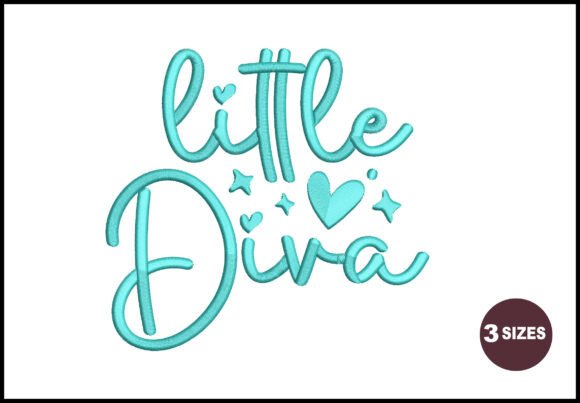
As an embroidery designer who has spent countless hours hooping, stitching, and unpicking, I have learned that a design’s preview image is only half the story. The real test happens when the needle hits the fabric. Recently, I evaluated Little Diva, a machine embroidery design that promises to add sparkle and sass to various projects. With its playful script lettering, cute hearts, and twinkling stars, it immediately caught my eye as a versatile asset for both personal and commercial use. However, before integrating any new digital embroidery file into my workflow or recommending it to fellow craft business owners, I needed to assess how it performs in real-world scenarios.
First Impressions: Mood and Visual Personality
The first thing that strikes you about Little Diva is its attitude. It is not just cute; it has personality. The combination of flowing script with whimsical icons like hearts and stars creates a balanced composition that feels modern yet timeless. For designers working in the Boys Girls product category, this duality is crucial. It is soft enough for baby embroidery but bold enough for older children’s apparel. The layout suggests a design that relies heavily on clean lines and open spaces, which is generally a good sign for stitching clarity. When I visualized this on a mockup, it didn’t look cluttered. Instead, it offered a sense of movement, particularly in the lettering, which can be tricky to execute well in thread.
Real-World Application: From Tote Bags to Sweatshirts
To truly understand the value of this design, I considered several practical applications. Imagine preparing a custom embroidered tote bag for a local boutique. The tote bag design market is saturated, so standing out requires unique graphics. Little Diva works exceptionally well here because the script and stars provide a focal point without overwhelming the canvas texture of a standard bag. The design’s scale appears suitable for medium to large hoops, allowing the details to breathe.
Another strong contender for this embroidery project is sweatshirt embroidery. Fleece and cotton blends are forgiving fabrics, but they require careful management of stitch density. If this design utilizes a mix of satin stitch for the letters and fill stitch for the stars, it could sit beautifully on a crewneck without causing excessive puckering. I can easily picture this on a pastel pink or mint green hoodie, creating a high-value handmade product that appeals to parents looking for personalized gifts. The "sass" mentioned in the description translates well to teen apparel, making it a viable option for small shop products targeting a slightly older demographic within the kids' sector.
Versatility in Commercial Embroidery
For Etsy sellers and creative entrepreneurs, versatility is key to maximizing return on investment for design assets. Little Diva seems adaptable enough for various commercial embroidery projects. It could serve as a central motif on a onesie, where the soft curves of the hearts complement the delicate nature of infant clothing. Alternatively, it could be scaled down for a chest logo on a child’s polo shirt. The presence of stars and hearts also makes it a strong candidate for holiday embroidery, particularly for Valentine’s Day or birthday-themed collections. When creating printable mockups for your online store, this design offers enough visual interest to drive buyer engagement without requiring complex photo editing.
Technical Considerations and Fabric Challenges
While the aesthetic appeal is strong, a professional designer must look at the technical execution. Script lettering is notoriously difficult in embroidery. Thin connections between letters can break during washing or wear if the stitch density is too low or if the fabric shifts. When using Little Diva, I would strongly advise testing the design on scrap fabric first. This is non-negotiable. You need to verify that the running stitch outlines, if present, adequately secure the satin columns.
Fabric texture plays a significant role here. On smooth cotton or polyester blends, the design should pop. However, on textured fabrics like terry cloth towels or rough linen, the finer details of the stars and the tails of the script might get lost. If you plan to use this on dark fabric, consider how the thread colors contrast. A light thread on dark fabric requires precise underlay stitching to prevent the background from showing through. Conversely, on stretchy fabric like jersey knit, proper stabilizer usage is critical. A cut-away stabilizer might be necessary to maintain the integrity of the script over time, especially if the garment will be washed frequently.
Navigating Small Hoops and Curved Surfaces
One area where caution is needed is with small hoop sizes. If the design is intricate, shrinking it to fit a 4x4 inch hoop for a cap or a small patch could compromise readability. The tiny corners of the stars and the loops in the script might merge, creating a blob of thread rather than a crisp image. Similarly, applying this to curved surfaces like caps requires careful hooping technique. The design should be centered perfectly to avoid distortion. If you are an apparel decorator working with caps, ensure the design’s width fits the available stitching area without encroaching on the seams.
Enhancing Product Value and Brand Consistency
Ultimately, the goal of using a design like Little Diva is to enhance the perceived value of the finished product. A well-stitched design builds customer trust. When a buyer receives a personalized gift that looks professional, with no loose threads or misaligned elements, they are more likely to leave positive reviews and return for future purchases. This design contributes to brand consistency if your shop focuses on playful, youthful, or sassy themes. It acts as a recognizable signature style that can tie together a collection of items, from aprons to pillow covers.
For digital product sellers, offering this as part of a bundle or as a standalone digital embroidery file can attract hobbyists who lack the time to create their own vectors. However, always confirm licensing before selling finished items or digital products. Understanding whether the license allows for unlimited commercial sales or restricts the number of physical items is essential for legal compliance in your craft business.
Practical Designer Notes for Best Results
To ensure success with Little Diva, keep these practical tips in mind:
- Test on Scrap Fabric: Always run a test stitch-out on the same type of fabric you intend to use for the final product. This reveals issues with tension and density.
- Check Thread Color Contrast: Use high-contrast thread colors to highlight the script and icons. Test the design in black and white mockups to ensure the shapes remain distinct even without color.
- Review Stitch Density: If the design feels too dense, it may cause puckering. If it is too sparse, the fabric may show through. Adjust your machine settings or choose appropriate stabilizers accordingly.
- Confirm Hoop Size: Ensure your machine’s hoop can accommodate the full design without resizing it to a point where detail is lost.
- Inspect Small Details: Zoom in on the digital embroidery file to check for potential jump stitches or overly complex areas that might cause thread breaks.
- Use Proper Stabilizer: Match the stabilizer to the fabric weight. Heavier fabrics may need less support, while lightweight or stretchy materials require robust stabilization.
In conclusion, Little Diva is a promising addition to any embroidery designer’s library. Its blend of playful typography and charming icons offers broad appeal for boys and girls alike. By approaching it with a critical eye for technical detail and fabric compatibility, you can transform this digital asset into a standout handmade product. Whether you are creating a custom apparel line for a local client or stocking your Etsy shop with unique baby items, this design has the potential to deliver both style and substance. Just remember, the magic lies not just in the design itself, but in the care and precision you apply during the stitching process.