Spooky Halloween: A Designer’s Review for Business Merch
As an embroidery designer who has spent years digitizing and reviewing files for commercial use, I approach every new machine embroidery design with a critical eye. It is not just about whether a motif looks cute on a screen; it is about how it performs under the needle, how it translates to fabric, and ultimately, how it serves a brand’s identity. Recently, I reviewed the Spooky Halloween design, and for small business owners looking to capitalize on seasonal trends, this file offers a compelling mix of elegance and thematic charm.
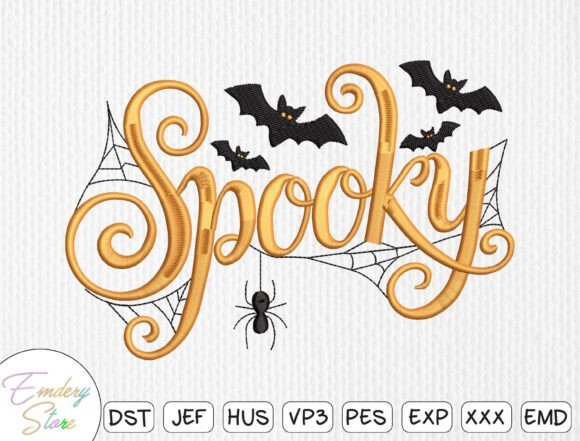
The first impression of Spooky Halloween is surprisingly sophisticated. While many seasonal designs lean heavily into cartoonish or overly aggressive horror aesthetics, this piece strikes a balance. The description highlights curly golden script surrounded by flying bats, spider webs, and a hanging spider. This combination suggests a vibe that is less "haunted house" and more "boutique autumn decor." For handmade brands, Etsy sellers, and local boutiques, this distinction is vital. It allows you to create merchandise that feels premium rather than disposable.
Visual Personality and Brand Fit
When evaluating a design for small business merch, we must consider visual personality. Is it bold? Rustic? Modern? In this case, Spooky Halloween leans toward the elegant and decorative side of the spectrum. The use of script implies a touch of whimsy and warmth, which softens the traditionally spooky elements like bats and spiders. This makes the design versatile enough for a wider range of businesses beyond just costume shops.
Imagine a local bakery wanting to update their staff uniforms for October. A harsh, jagged font might alienate customers looking for comfort food, but the curly script in this design maintains a welcoming atmosphere while acknowledging the season. Similarly, a florist or a creative studio could use this motif on tote bags or aprons to signal limited-edition seasonal offerings without compromising their established aesthetic of refinement and care.
Real-World Applications for Small Businesses
The true value of any digital embroidery file lies in its application. Here is how I envision Spooky Halloween performing in real commercial scenarios:
- Embroidered Patches: This is perhaps the strongest use case. The central script surrounded by distinct elements like bats and webs creates a natural border. You can produce these as iron-on patches for jackets, backpacks, or hats. Patches allow customers to buy into the trend without committing to a full garment, increasing your average order value.
- Apron Embroidery: For cafes, bakeries, and craft studios, branded aprons are walking advertisements. Placing this design on the chest pocket area adds a festive touch to staff uniforms. It shows attention to detail and helps build a cohesive brand experience during the holiday rush.
- Tote Bag Design: Canvas totes are staples for handmade brands. The contrast of golden thread against natural canvas or black fabric works beautifully here. Ensure the hoop size accommodates the width of the script so the letters do not get distorted by the bag’s seams.
- Cap Embroidery: A smaller version of this design could work on the front panel of a dad hat or baseball cap. However, due to the curved surface, you must be cautious with the density of the spider web details to prevent puckering.
- Product Packaging Accents: Use the design on custom labels or hang tags for your handmade products. Even if not embroidered directly on the tag, using the design in a printable mockup for packaging inserts can enhance the unboxing experience.
Technical Considerations and Production Notes
Before you load this embroidery file into your machine for a large production run, there are several technical factors to review. As a designer, I always advise testing the limits of a design to ensure quality control.
Stitch Density and Fabric Texture: The description mentions spider webs and detailed outlines. These elements can be tricky. If the stitch density is too high, the fabric may pucker, especially on lighter materials like cotton tees or linen aprons. Always test on the actual fabric you intend to use. If you are working with textured fabric, such as terry cloth towels or heavy denim, you may need to adjust the underlay stitches or use a stronger cut-away stabilizer to support the design.
Thread Colors and Contrast: The "golden script" is a key feature. Gold metallic threads can be temperamental and prone to breaking. If you are producing high volumes, consider testing a high-sheen rayon or polyester gold alternative for durability. Furthermore, ensure there is enough contrast between the thread and the garment. On dark uniforms, the golden script will pop, but the black bats and spider might disappear. You may need to outline the darker elements in a lighter color or adjust the thread palette to maintain visibility.
Hoop Size and Placement: Check the specific dimensions of the design before purchasing. Does it fit within your standard 4x4 or 5x7 hoop? If the design is large, it may require a multi-hoop setup or a larger frame, which increases production time. For small patch sizes, verify that the lettering remains legible. Tiny lettering can become a blob of thread if the resolution is not high enough.
Impact on Brand Identity and Customer Trust
Consistency is key to building brand identity. Using a well-digitized, elegant design like Spooky Halloween reinforces the perception of quality. When customers see clean stitching, balanced spacing, and thoughtful design choices, their trust in your brand increases. It signals that you care about the finished product, not just the quick sale.
For Etsy sellers and crafters, this design can serve as a cornerstone for your seasonal marketing. It allows you to create a cohesive collection of items—patches, shirts, bags—that look like they belong together. This visual consistency helps with recognition. When a customer sees that specific curly script and bat motif, they should immediately associate it with your shop’s unique take on the holiday.
Practical Steps Before Commercial Use
To ensure success with this design, follow these practical steps:
- Test in Black and White First: Before committing to expensive metallic threads, stitch out the design in standard black and white thread. This helps you evaluate the stitch path, density, and overall shape without the distraction of color.
- Check Stabilizer Requirements: Use the appropriate stabilizer for your fabric. For stretchy fabrics like jersey tees, a cut-away stabilizer is essential to prevent distortion over time. For woven fabrics like canvas totes, a tear-away might suffice, but test for stability.
- Create a Printable Mockup: Before stitching final units, create a digital mockup to show clients or use in social media previews. This helps gauge customer interest and allows for adjustments before production begins.
- Confirm Commercial Licensing: Always verify the license terms of the digital embroidery file. Ensure you have the right to use it for physical goods you intend to sell. Some designers require an extended license for high-volume commercial embroidery projects.
- Inspect Spacing and Detail: Look closely at the hanging spider and the web connections. Are there long jumps that need trimming? Is the spacing between the bats and the script sufficient to prevent thread bunching?
In conclusion, Spooky Halloween is a strong contender for small business merchandise this season. Its blend of elegant script and classic spooky imagery offers a fresh take on holiday decor. By paying attention to technical details like stitch density, thread choice, and fabric compatibility, you can transform this design into a profitable asset for your brand. Whether used on aprons, patches, or tote bags, it has the potential to elevate your seasonal offerings and engage your customers with a touch of sophisticated charm.